

This guide covers everything accredited investors need to know about why invest in parker lane?—from Austin market context and tax considerations to due diligence questions and next steps with Liquid's Opportunity Zone funds, bonds, and development projects.
What it’s like
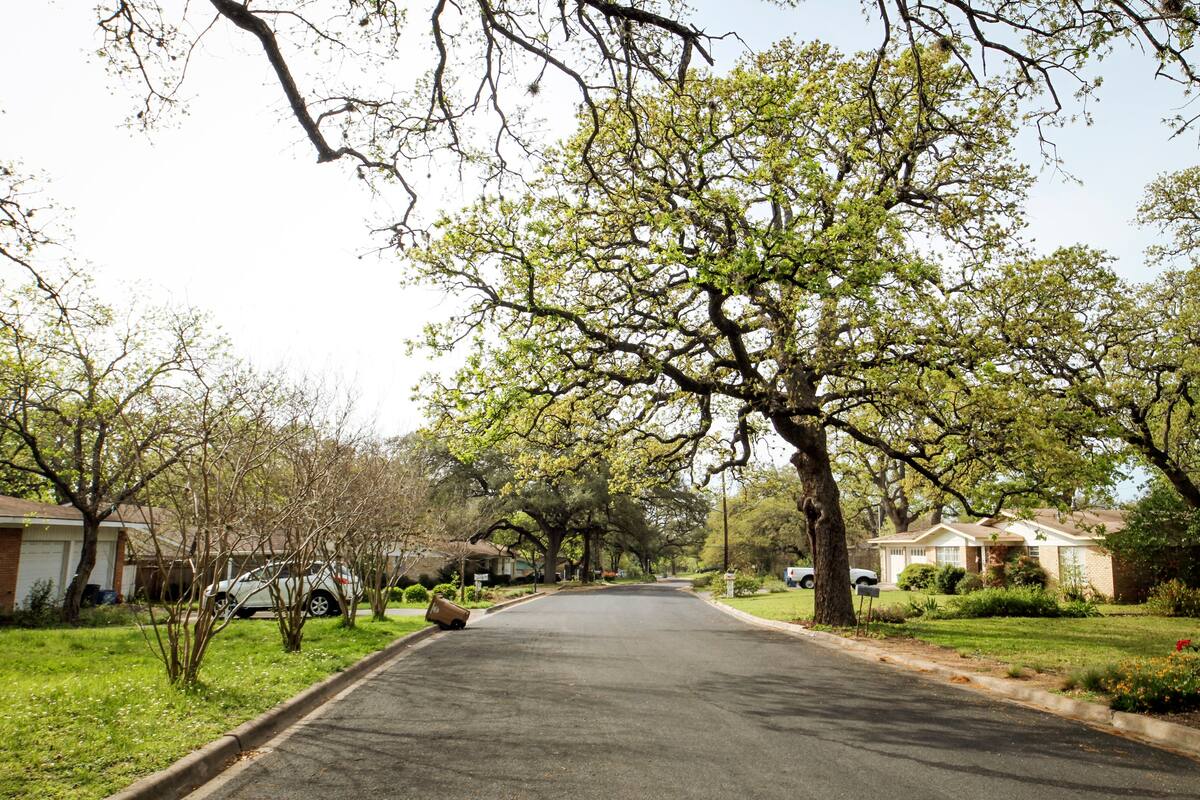
The Parker Lane neighborhood is nestled between the major thoroughfares of Interstate 35 and HWY 71 (Ben White Blvd). Immediately across I-35 is the St Edwards University and the vibrant shopping and nightlife of South Congress (SoCo). Just to the North is East Oltorf with several restaurant gems like the little-known 666 Pan Asian.
Air BnB describes Parker Lane as quiet, hip and known for it’s parks. While Niche.com rates the area an overall B+ with more than 85% of the residents renting. Parker Lane provides easy access to downtown Austin. A ridesharing app will get you there in 15mins and for less than $10. Driving through the neighborhoods, you can imagine that it’s what Travis Heights probably felt like 15-20 years ago before it started to turn over.


Why We Chose It
Parker Lane is significantly under-served by rental properties. While only 15% of residents own their homes, the market isn’t meeting demand. At Liquid, we have identified the area as being ideal for investment in single family rental properties and small mixed-use commercial properties along the corridors.
It can be difficult to find good deals in the Parker Lane area as anything that hits the market tends to be snapped up quickly. This is especially true with the fourplex and duplex listings that become available. To combat this, Liquid is actively messaging home owners, particularly those that do not live in the properties they own. Our goal is for Liquid QOZB II to acquire 20+ single family residential rentals in the Parker Lane census tract.
About Parker Lane
Parker Lane is a neighborhood in Austin, Texas. It is believed to have been developed in the mid-20th century, around the 1950s and 1960s. The area was originally designed as a middle-class, suburban community and was known for its affordable homes and large lots. Over time, the neighborhood has evolved and now includes a mix of older homes and newer, larger homes. The area is located in northeast Austin and is known for its convenient location, close to major highways and shopping centers. The neighborhood is also known for its large park, Parker Lane Park, which provides a community gathering space for residents.
Schools in Park Lane
The schools in Parker Lane, Austin, TX are part of the Austin Independent School District (AISD). Some of the highly-rated schools in the area include:
- Ridgetop Elementary School
- Martin Middle School
- McCallum High School
It’s important to note that school ratings can change year-to-year and should be verified before making educational decisions. It’s also important to consider factors such as student-teacher ratio, test scores, and individual student needs and learning styles when evaluating schools.
Demographics of Parker Lane
Demographic information for Parker Lane, Austin, TX is not publicly available, but the surrounding neighborhoods of northeast Austin tend to have a diverse population, including a mix of families, young professionals, and retirees. The area has seen significant growth in recent years and the population is expected to continue to increase in the coming years.
It’s worth noting that demographic data can change over time and may not accurately reflect the current population of the neighborhood. The best way to learn about the current demographics of Parker Lane is to visit the area and observe the population firsthand.
Executive Summary: Why Invest In Parker Lane?
The Parker Lane OZ is full of single family and multifamily investment potential. Our QOZB is seeking projects to rehab for appreciation. For accredited investors weighing Austin real estate, federal tax incentives, and fixed-income alternatives, understanding why invest in parker lane? is a practical first step before reviewing fund materials or offering documents.
Liquid's team publishes research and project updates so investors can connect macro trends—population growth, housing supply, IRS guidance, and local entitlement reform—to specific decisions about capital gains reinvestment, bond allocations, and Opportunity Zone fund commitments.
Market Context in Austin, Texas
Austin remains one of the most closely watched U.S. housing markets. After rapid appreciation in 2020–2022, buyers and developers adjusted to higher interest rates, normalized inventory, and selective rent growth. Opportunity Zone tracts east of Interstate 35 continue to see infill activity because land costs, renter demographics, and corridor access support value-add and ground-up residential strategies.
For investors, Austin's appeal is not only price appreciation but also employment diversification, migration inflows, and policy debates over density and affordability. City Council initiatives—bonus density programs, infill tools, and changes to review processes—directly affect project timelines in OZ neighborhoods where Liquid operates.
Neighborhoods such as Parker Lane, Montopolis, East Oltorf, and Windsor Park offer contrasts in age of housing stock, ownership rates, and proximity to employment centers. Underwriting therefore requires tract-level analysis rather than MSA-wide averages alone.
Deep Dive: Why Invest In Parker Lane?
When evaluating why invest in parker lane?, start with the investor problem being solved: deferring or reducing capital gains tax, earning current income, gaining exposure to Austin residential real estate, or diversifying beyond public markets. Each objective implies different liquidity, hold period, and documentation requirements.
Qualified Opportunity Funds must meet IRS asset tests and follow rules for qualified Opportunity Zone property and businesses. Sponsors should demonstrate not only tax compliance but also construction competency, capital stack discipline, and transparent reporting. Liquid's model emphasizes Austin infill and rental stabilization in designated tracts, with regular news updates on entitlements and capital raises.
If your question is specifically about why invest in parker lane?, map how it affects timing (180-day reinvestment windows, 45-day 1031 identification), risk (development, lease-up, interest rate sensitivity), and exit (1031 continuation, QOF 10-year exclusion, or note maturity). Professional tax and legal counsel should validate any strategy against your facts.
Tax and Structuring Considerations
Opportunity Zone benefits include temporary deferral of eligible gains, potential reduction of deferred gains with long enough holds, and possible exclusion of new QOF investment appreciation after 10 years. These benefits interact with federal deadlines—notably the deferral recognition date—and individual state tax treatment, which may differ from federal rules.
Investors comparing 1031 exchanges should note like-kind real property requirements, equal-or-greater debt replacement constraints, and the inability to defer non-real-estate gains. Opportunity Zone investing accepts a broader range of capital gains sources but requires equity investment in a QOF rather than direct property replacement.
Bond investors evaluating zero coupon structures should model returns on a yield-to-maturity basis, understand how private offerings differ from FDIC-insured deposits, and confirm accredited investor eligibility. Offering documents describe use of proceeds, collateral or security features if any, and payment timing.
Due Diligence Checklist
Request and read the PPM, subscription agreement, and any supplements. Verify sponsor track record on entitlements, budgets, and investor communications. For development-heavy strategies, inspect site control, plan status with the City of Austin, and realistic construction timelines.
Stress-test assumptions: rent comps, exit cap rates, hard cost inflation, and lease-up pace. For tax-driven strategies, model both federal and state outcomes and identify key dates that trigger recognition events.
Ask how reporting works—annual K-1s, project newsletters, audited financials if available—and whether the strategy matches your liquidity profile. Liquid encourages direct conversations for investors comparing bonds, QOF II equity, or hybrid allocations.
Looking Ahead
The themes behind why invest in parker lane? will continue to evolve with IRS guidance, Austin land development code updates, and capital market conditions. Investors who stay informed through primary sources—IRS FAQs, City of Austin Development Services, Census demographics—and sponsor updates are better positioned to act within critical deadlines.
Liquid will continue publishing news on projects, policy changes, and educational topics so investors can connect portfolio decisions to local market reality. Whether you are exploring your first QOF investment or comparing bond yields to savings accounts, start with education, validate with professionals, and invest only when documents and risk tolerance align.
| Metric | Austin MSA Trend | OZ Tract Consideration |
|---|---|---|
| Population growth | Among fastest-growing U.S. metros | Renter-heavy neighborhoods near job centers |
| Median home price | Moderating from 2022 peak | Value-add acquisitions below core submarket pricing |
| Rent growth | Stabilizing after post-COVID surge | Strong demand for renovated single-family rentals |
| Development activity | Infill and subdivision projects rising | Entitlement expertise reduces timeline risk |
Key Takeaways for Investors
Opportunity Zone investing rewards patient capital deployed into census tracts designated for economic revitalization. The tax incentives—deferral, reduction, and eventual exclusion of eligible gains—are most powerful when paired with disciplined underwriting and local market expertise.
Before committing capital, review fund structure, asset strategy, sponsor track record, and compliance documentation. Liquid publishes educational resources and fund materials so accredited investors can evaluate fit against their tax situation and return objectives.
Austin's Opportunity Zones remain among the most active in Texas thanks to population growth, job creation, and housing demand. Neighborhoods east and southeast of downtown continue to attract redevelopment capital while offering entry points below core urban pricing.
How Liquid Approaches This Topic
Liquid is an Austin-based Opportunity Zone real estate specialist. Our team underwrites single-family and small multifamily projects in designated tracts, manages construction and leasing, and reports to investors through regular updates and annual reporting.
We combine local entitlement knowledge—site plans, subdivisions, and Austin land development code—with QOF compliance so investments qualify for federal tax benefits. Investors interested in bonds, funds, or direct project exposure can start on our investor page or contact the team for a conversation.
This article is for educational purposes and does not constitute tax, legal, or investment advice. Consult qualified professionals regarding your specific circumstances before investing.
Related Resources on Liquid
Further Reading
Frequently Asked Questions
- Why does Liquid focus on Parker Lane and Montopolis?
- Both census tracts combine renter-heavy demographics, proximity to major corridors and job centers, and pricing below many central Austin submarkets. Liquid underwrites value-add single-family rentals and ground-up infill where entitlement paths are manageable and demand supports stabilized yields after renovation or lease-up.
- What is Why Invest In Parker Lane? and why should investors care?
- Why Invest In Parker Lane? sits at the intersection of Austin real estate, federal tax policy, and long-term wealth building. Investors evaluating this topic typically want clarity on how it affects capital gains treatment, project timelines, neighborhood fundamentals, or fund structure. Liquid publishes educational content so accredited investors can compare strategies before reviewing offering documents with their advisors.
- How does this relate to Opportunity Zone investing in Austin?
- Austin's designated Opportunity Zones span neighborhoods east and southeast of downtown where housing demand, job growth, and infill development continue to attract capital. Liquid focuses on single-family and small multifamily projects in tracts including Parker Lane and Montopolis, combining local entitlement expertise with QOF compliance so investments may qualify for deferral, reduction, and exclusion of eligible gains when holding requirements are met.
- Who is the typical Liquid investor for this topic?
- Liquid investors are typically accredited individuals who recently realized capital gains from business sales, real estate dispositions, stock positions, or other appreciated assets. They seek tax-efficient deployment into tangible Austin real estate rather than passive index exposure alone. Some investors prioritize fixed-income style returns through zero coupon notes; others prioritize equity-style appreciation through QOF investments.
- What should I review before investing with Liquid?
- Review the Private Placement Memorandum, subscription agreement, and fund-specific materials for any offering you consider. Confirm your accredited investor status, understand liquidity terms, and discuss tax implications with a CPA or tax attorney. Liquid's team is available to answer process questions, but individualized tax or legal advice should come from your professionals.